Gingerbread and Easter Egg Patterns: A Versatile Design for Creative Projects
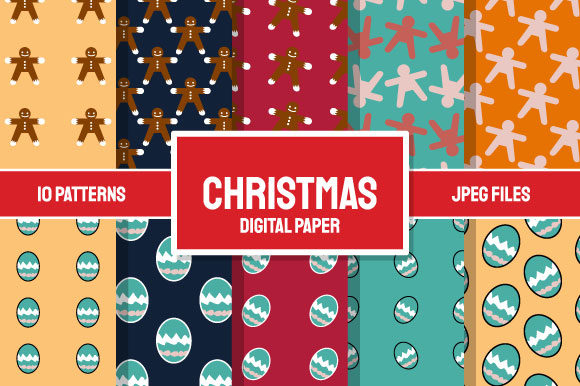
Gingerbread and Easter Egg Patterns are a unique blend of festive and decorative elements that have become increasingly popular in the world of design. These patterns combine the whimsical charm of gingerbread cookies with the vibrant colors and intricate designs of Easter eggs, creating a visually engaging motif that is both nostalgic and modern. Whether you're looking to embellish fabric, create gift wrap, or design a backdrop, these patterns offer a versatile solution that can be adapted to various creative needs.
What Makes Gingerbread and Easter Egg Patterns Unique?
The distinctiveness of Gingerbread and Easter Egg Patterns lies in their ability to merge two traditional holiday symbols into a single, cohesive design. The gingerbread elements often feature detailed outlines, sugar-like textures, and classic shapes such as houses, trees, and candy elements. In contrast, the Easter egg components bring a sense of color and variety, with patterns that include floral motifs, geometric shapes, and playful illustrations.
This combination not only adds visual interest but also allows for a wide range of applications. Unlike more generic patterns, Gingerbread and Easter Egg Patterns provide a specific thematic identity that can be tailored to suit different projects. For instance, they can be used to create a cozy winter atmosphere or a cheerful spring display, depending on how they are applied.
Comparing Gingerbread and Easter Egg Patterns with Similar Options
When considering alternatives to Gingerbread and Easter Egg Patterns, it's important to understand how they compare with other design options. One common alternative is the use of seasonal or holiday-themed patterns, which may focus on a single theme rather than combining multiple elements. While these can be effective for specific occasions, they often lack the versatility offered by Gingerbread and Easter Egg Patterns.
Another option is the use of abstract or minimalist patterns, which prioritize simplicity and clean lines. While these are excellent for modern designs, they may not capture the same level of detail and charm as Gingerbread and Easter Egg Patterns. Additionally, some designers prefer custom-made patterns that allow for greater personalization, though this can come at the cost of time and resources.
In comparison, Gingerbread and Easter Egg Patterns strike a balance between creativity and practicality. They offer a ready-to-use solution that can be easily integrated into various projects without requiring extensive customization. This makes them particularly appealing for those who value efficiency and ease of use.
Strengths and Limitations of Gingerbread and Easter Egg Patterns
One of the key strengths of Gingerbread and Easter Egg Patterns is their adaptability. With 10 high-resolution JPG files available at 3600×3600 pixels, these patterns are designed for easy use and seamless printing. The resolution ensures that the details remain sharp and clear, making them suitable for both small-scale and large-format applications.
Additionally, the availability of multiple files allows for flexibility in design. Users can mix and match different elements or use individual images to create a personalized look. This versatility is especially valuable for creative professionals and hobbyists alike, who may need to adjust the pattern to fit specific project requirements.
However, there are also some limitations to consider. For example, while the patterns are highly detailed, they may not be ideal for all types of surfaces or materials. The texture and color of the underlying material can affect how the pattern appears, so it's important to test the design before finalizing a project.
Another consideration is the limited number of files. Although 10 images provide a good selection, some users may find that they need more variety or customization options. In such cases, exploring additional resources or hiring a designer could be a viable alternative.
Best-Fit Situations for Using Gingerbread and Easter Egg Patterns
Gingerbread and Easter Egg Patterns are best suited for projects that require a festive and decorative touch. They are particularly well-suited for gift wrapping, where their intricate details can enhance the overall aesthetic of the package. Similarly, they work well for fabric and textile design, adding a charming element to clothing, home décor, or craft projects.
These patterns are also ideal for creating backdrops or backgrounds for events, such as weddings, parties, or photo shoots. Their vibrant colors and playful design can help set the mood and create a memorable experience. Additionally, they can be used in interior design to add a festive feel to living spaces, especially during the holiday season.
For those interested in wallpaper or wall art, Gingerbread and Easter Egg Patterns offer an excellent option. Their scalability and resolution make them perfect for large-format prints, allowing for a consistent and eye-catching visual effect throughout the space.
When to Consider Alternatives
While Gingerbread and Easter Egg Patterns are versatile and widely applicable, there are situations where alternative options may be more appropriate. For instance, if the project requires a more subdued or minimalist design, a different pattern style may be better suited. Similarly, if the goal is to create a completely original design, custom illustration or digital art might be a better choice.
Moreover, if the user has specific material constraints or requires a pattern that can be customized further, exploring other design tools or services could provide more flexibility. It's important to evaluate the project's requirements and goals before deciding on the most suitable pattern type.
Realistic Examples and Practical Comparisons
To illustrate the practical applications of Gingerbread and Easter Egg Patterns, consider a scenario where a designer is creating a line of holiday-themed greeting cards. By using these patterns, the designer can ensure consistency across all cards while adding a unique and festive touch. The high-resolution files make it easy to print the patterns clearly, even when scaled down for smaller formats.
Another example involves a boutique that wants to revamp its packaging. By incorporating Gingerbread and Easter Egg Patterns into gift wrap, the store can create a cohesive and appealing brand image that resonates with customers. The patterns' versatility allows them to be used in different ways, whether as a primary design element or as an accent.
Comparatively, if the project required a more contemporary or abstract look, a different pattern style would be more appropriate. However, for a project that emphasizes nostalgia and celebration, Gingerbread and Easter Egg Patterns are an excellent choice.
Making an Informed Decision
Choosing the right pattern depends on the specific needs of the project and the desired outcome. Gingerbread and Easter Egg Patterns offer a unique blend of tradition and creativity, making them a valuable resource for a wide range of applications. However, it's important to consider factors such as material compatibility, customization needs, and design goals before making a decision.
Ultimately, the key to success lies in understanding the strengths and limitations of the chosen pattern. By evaluating the project's requirements and comparing available options, users can make a more informed decision that aligns with their creative vision and practical needs. Whether you're a professional designer or a hobbyist, Gingerbread and Easter Egg Patterns provide a versatile and effective solution for your next creative endeavor.