Abstract Geometric Patterns: A Versatile Design Tool for Modern Creatives
Abstract geometric patterns have become a staple in the world of design, offering a unique blend of structure and creativity. These patterns are not just visually appealing—they serve as powerful tools across a wide range of applications. From digital papers to scrapbooking, from web graphics to home decor, abstract geometric designs provide a versatile foundation that can be adapted to suit almost any project. Whether you're a seasoned designer or a hobbyist looking to elevate your craft, understanding how to use these patterns effectively can open up new creative possibilities.
What Are Abstract Geometric Patterns?
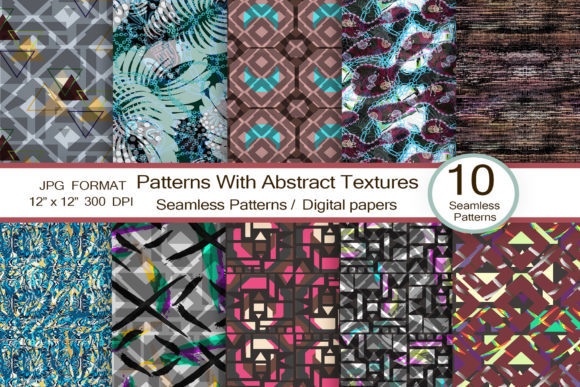
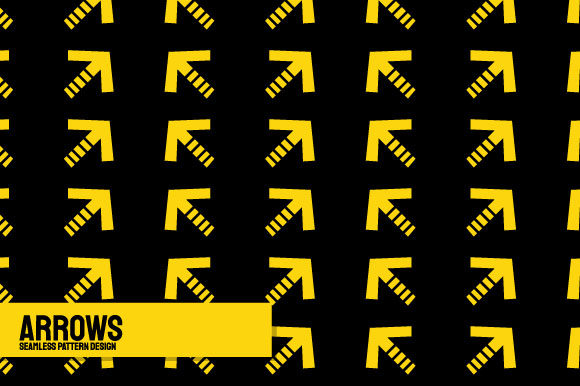
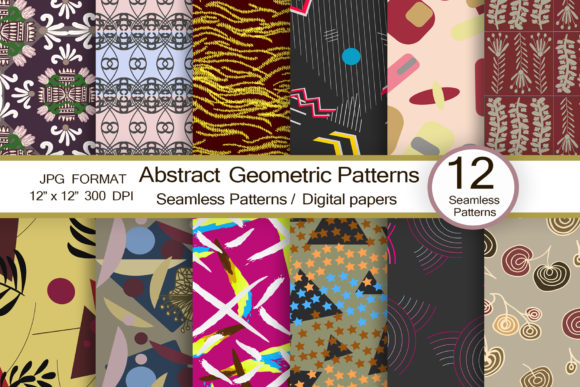
Abstract geometric patterns are repeating shapes composed of lines, angles, circles, triangles, and other basic forms. Unlike traditional floral or nature-inspired motifs, these patterns focus on symmetry, balance, and mathematical precision. They often lack a clear narrative or representational element, which makes them ideal for projects that require a modern, clean aesthetic.
The beauty of abstract geometric patterns lies in their adaptability. They can be simple or complex, minimalistic or bold, depending on how they are applied. This flexibility allows designers to tailor them to specific needs, whether it's creating a background for a website or crafting a personalized gift wrap.
Where Can Abstract Geometric Patterns Be Used?
One of the most exciting aspects of abstract geometric patterns is their broad applicability. Here are some common use cases:
- Scrapbooking and Cardmaking: These patterns add visual interest to layouts without overwhelming the content. They work especially well with minimalist designs or when you want to create a cohesive look across multiple pages.
- Gift Wrapping: A seamless geometric pattern can transform plain paper into something eye-catching and memorable. It’s perfect for holiday gifts, special occasions, or even everyday items like notebooks and journals.
- Fabric and Home Decor: Many designers use these patterns to create custom fabric prints or wall art. Their clean lines and modern feel make them popular choices for contemporary interiors.
- Web Graphics and Blog Backgrounds: Abstract geometric patterns are excellent for adding depth and texture to digital spaces. They can enhance user experience by making websites more engaging and visually stimulating.
- Invitations and Stationery: Whether it's a wedding invitation or a thank-you card, these patterns can help set the tone and style of the message without being too distracting.
- Craft Projects and Collages: Artists and crafters often incorporate these patterns into mixed-media projects. They can be used as overlays, backgrounds, or even standalone elements in a collage.
Why Choose Abstract Geometric Patterns Over Other Designs?
There are several reasons why abstract geometric patterns have gained popularity in recent years:
- Timeless Appeal: These patterns have a classic yet modern feel that remains relevant across different design trends.
- High Customizability: Since they are based on geometric shapes, they can be easily modified to fit various color schemes, sizes, and formats.
- Seamless Repetition: Most abstract geometric patterns are designed to repeat seamlessly, making them ideal for large-scale applications like wallpaper or fabric prints.
- Minimalist and Modern: They align well with current design trends that favor simplicity and functionality over complexity.
- Easy to Use: With pre-made digital files available in various formats, designers can quickly integrate these patterns into their projects without needing advanced technical skills.
Practical Considerations When Using Abstract Geometric Patterns
While abstract geometric patterns offer many benefits, there are a few things to keep in mind before using them:
Resolution and Quality: Always ensure that the patterns you choose are high-resolution (300 ppi) and suitable for both digital and print use. Low-quality images can lead to pixelation, especially when printed at larger sizes.
Color Coordination: The choice of colors can greatly affect the overall impact of a design. Experiment with different color combinations to find what works best for your project.
Application Context: Consider the purpose of your design. For example, a bold geometric pattern might be more appropriate for a statement piece, while a subtle variation could work better for a background.
File Format and Compatibility: Make sure the file format (like JPG) is compatible with your design software and intended use. Also, check if the pattern is provided in a scalable format to avoid distortion when resizing.
Exploring New Possibilities with Abstract Geometric Patterns
As technology and design trends evolve, so do the ways in which abstract geometric patterns are used. Today, they are not just limited to traditional media like paper and fabric. Digital creators are now using these patterns in innovative ways, such as:
- Augmented Reality (AR) Designs: Incorporating geometric patterns into AR experiences can create immersive and interactive environments.
- Interactive Web Elements: These patterns can be animated or layered to add dynamic effects to websites and apps.
- Custom Branding: Businesses are using abstract geometric patterns in logos, packaging, and marketing materials to create a strong visual identity.
- Personalized Gifts: From custom notebooks to framed prints, geometric patterns offer endless opportunities for creative expression.
By understanding the strengths and limitations of abstract geometric patterns, you can make informed decisions about how to best incorporate them into your projects. Whether you're designing for personal use or professional purposes, these patterns provide a versatile and stylish solution that can elevate your creative output.