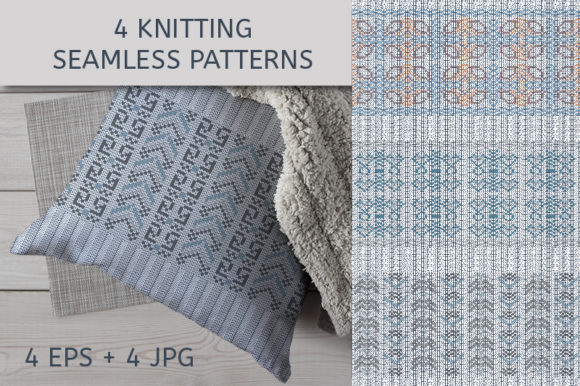
4 Knitted Patterns with Elastic Band: A Guide to Choosing and Using the Right Designs
For those who love the warmth and comfort of handcrafted knits, 4 Knitted Patterns with Elastic Band offer a unique blend of functionality and style. These patterns are designed to provide a snug fit around the neck or wrists, making them ideal for winter wear and holiday projects. Whether you're a seasoned knitter or just starting out, understanding how to choose and use these designs can significantly enhance your crafting experience.
Why Choose 4 Knitted Patterns with Elastic Band?
The elastic band feature in these patterns ensures that the finished piece maintains its shape and provides a secure fit. This is especially beneficial for items like scarves, neck warmers, and even accessories such as wrist cuffs. The elasticity also allows for greater flexibility in sizing, accommodating a range of body types and preferences.
Additionally, many of these patterns come with vector files and high-resolution images, making it easier to visualize and customize your project. For professionals and hobbyists alike, this level of detail can be invaluable in achieving the desired outcome.
Common Mistakes When Selecting 4 Knitted Patterns with Elastic Band
While 4 Knitted Patterns with Elastic Band can be incredibly rewarding, there are several common pitfalls that knitters should avoid:
- Ignoring the elasticity requirements: Not understanding how the elastic band interacts with the rest of the pattern can lead to an ill-fitting or uncomfortable final product.
- Choosing the wrong yarn type: Some patterns may specify certain yarn weights or fibers that affect the elasticity and durability of the finished item.
- Overlooking the file format details: Ensuring compatibility with your design software is crucial, especially when working with vector files for Adobe Illustrator.
- Not checking the resolution of images: Low-quality images can make it difficult to accurately replicate the pattern, leading to inconsistencies in the final piece.
These mistakes can impact both the usability and satisfaction of your project. For instance, using the wrong yarn might result in a stiff or overly stretchy finish, while poor image quality could lead to misinterpretation of the pattern details.
How to Avoid These Mistakes
To ensure a successful knitting experience with 4 Knitted Patterns with Elastic Band, consider the following tips:
- Review the pattern specifications carefully: Look for details about the elastic band placement, yarn recommendations, and any special instructions for finishing touches.
- Test the pattern on a swatch: Before committing to a full project, create a small sample to check the fit and elasticity.
- Ensure software compatibility: If you're using vector files, confirm that your Adobe Illustrator version supports the file type and resolution provided.
- Use high-quality images: Always opt for images with at least 6000x4000 pixels to maintain clarity and accuracy during the design process.
By taking these steps, you'll be better equipped to achieve the desired results and enjoy a more satisfying crafting experience.
Understanding the File Formats
The package includes a variety of file formats, including EPS and JPG. EPS files are ideal for vector-based editing, allowing for scalability without loss of quality. JPG files, on the other hand, are great for quick previews and sharing.
When working with 4 Knitted Patterns with Elastic Band, it's important to understand which file type best suits your needs. For detailed customization and professional use, EPS files are recommended. For simpler projects or quick reference, JPG files can be sufficient.
Always verify that the files are correctly labeled and organized within the package. This will save time and prevent confusion during the design and knitting process.
Practical Examples and Better Approaches
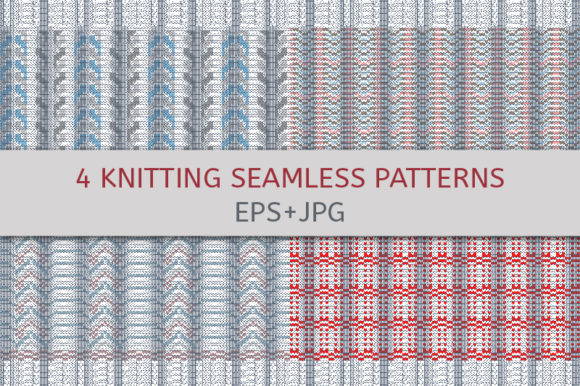
Let’s consider a practical example. Suppose you're designing a plaid scarf using one of the 4 Knitted Patterns with Elastic Band. You might initially think that any plaid pattern will work, but failing to account for the elastic band placement could lead to an uneven fit.
A better approach would be to select a pattern that clearly outlines the elastic band integration. This ensures that the finished scarf remains snug and comfortable throughout the winter months. Additionally, using a high-quality JPG image will help you accurately visualize the plaid design before beginning the actual knitting.
Another example involves choosing the right yarn. If you opt for a heavy-weight yarn without considering the elasticity of the pattern, you may end up with a stiff and unflattering result. Instead, selecting a medium-weight yarn that complements the elastic band will yield a more balanced and wearable piece.
What to Check Before Making a Decision
Before purchasing or downloading 4 Knitted Patterns with Elastic Band, take the time to evaluate the following:
- Pattern complexity: Ensure that the design matches your skill level and available time.
- File compatibility: Confirm that the files are compatible with your design software and intended use.
- Resolution and clarity: High-quality images are essential for accurate replication.
- Customer reviews: Reading feedback from other users can provide valuable insights into the effectiveness and usability of the patterns.
By thoroughly reviewing these aspects, you can make an informed decision that aligns with your goals and expectations.
Conclusion
4 Knitted Patterns with Elastic Band offer a versatile and functional approach to winter knitting. By understanding the nuances of these designs and avoiding common mistakes, you can elevate your crafting experience and achieve exceptional results. Whether you're creating gifts, accessories, or personal wear, these patterns provide a reliable foundation for success. With careful selection and attention to detail, your next project is sure to be both beautiful and functional.