12 Digital Patterns: A Strategic Resource for Design and Creativity
For anyone involved in design, illustration, or content creation, having access to high-quality, versatile assets can significantly enhance productivity and creativity. 12 Digital Patterns offers a collection of 12 carefully crafted templates that are not only visually appealing but also strategically useful across multiple applications. These patterns are designed with simplicity in mind, yet they carry distinct characteristics that set them apart from other similar offerings.
The Strategic Value of 12 Digital Patterns
12 Digital Patterns is more than just a collection of files—it’s a toolkit that supports a wide range of creative and operational goals. Whether you're an entrepreneur building a brand, a marketer designing visuals for campaigns, or a freelancer looking to streamline your workflow, these patterns provide a foundation for consistent, scalable, and adaptable design work.
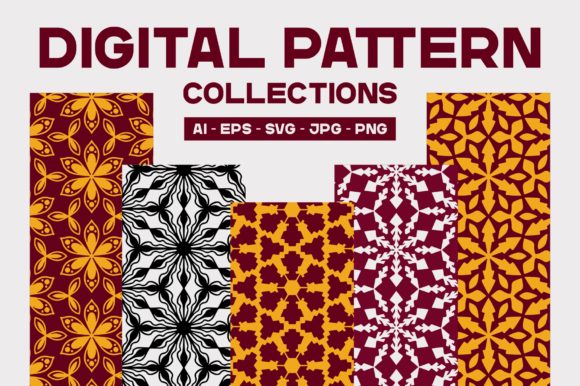
The inclusion of multiple file formats—AI, EPS, JPG, PNG, and SVG—ensures that 12 Digital Patterns can be used in various contexts, from digital marketing materials to print publications. The high-resolution quality at 300 dpi and the standard size of 3000 x 3000 px make them ideal for both small-scale projects and large-format outputs. Additionally, the ability to change colors allows for easy customization to match branding guidelines or specific project needs.
How to Use 12 Digital Patterns Effectively
Using 12 Digital Patterns intentionally rather than randomly is key to maximizing their value. Here are some practical strategies to help you integrate them into your workflow:
- Align with Branding Goals: Choose patterns that reflect your brand's personality and values. For instance, geometric patterns may suit a tech startup, while organic shapes could align better with a nature-focused business.
- Support Communication Objectives: When creating visual content for marketing or educational purposes, use patterns to reinforce key messages or themes without overwhelming the audience.
- Enhance Productivity: By using pre-designed elements, you save time on repetitive tasks like creating backgrounds or decorative elements, allowing you to focus on more complex aspects of your projects.
- Facilitate Learning and Teaching: Educators and trainers can use these patterns to create engaging learning materials, such as infographics, worksheets, or interactive presentations.
- Improve Customer Experience: Incorporate patterns into user interfaces, website designs, or packaging to create a cohesive and memorable experience for customers.
By considering these factors, you can ensure that 12 Digital Patterns are not just decorative tools but strategic assets that contribute to your overall objectives.
When to Rely on 12 Digital Patterns
Knowing when to use 12 Digital Patterns is just as important as knowing how. These patterns are particularly useful in scenarios where consistency, speed, and adaptability are critical:
- During Rapid Prototyping: When developing new products or services, using pre-designed patterns can accelerate the visualization process and help stakeholders better understand concepts.
- In Content Creation: Whether it's social media posts, email newsletters, or blog graphics, 12 Digital Patterns offer a quick way to add visual interest without compromising quality.
- For Branding and Marketing Campaigns: These patterns can be used to maintain visual coherence across different touchpoints, reinforcing brand identity and customer recognition.
- When Collaborating with Teams: Standardized patterns reduce ambiguity and ensure that all team members are working from the same visual framework, improving efficiency and alignment.
However, it's important to remember that 12 Digital Patterns should complement, not replace, original creative efforts. They are best used as a starting point rather than a crutch.
Practical Examples and Planning Tips
To illustrate how 12 Digital Patterns can be applied in real-world situations, consider the following examples:
- Freelance Designer: A designer working on a client's website can use one of the patterns as a background element, ensuring a clean and professional look while saving time on custom design work.
- Small Business Owner: A local café might use a pattern in its signage or menu design to create a unique aesthetic that reflects its brand and appeals to its target audience.
- Marketing Team: A campaign requiring multiple visual assets can benefit from using the same pattern across all materials, maintaining a unified brand presence throughout the campaign.
Before relying on 12 Digital Patterns, it's essential to define clear goals and context. Ask yourself: What is the purpose of this design? Who is the audience? How does this fit into the broader strategy? These questions will help you select the most appropriate patterns and avoid unnecessary complexity.
Risks of Using 12 Digital Patterns Without Clear Goals
While 12 Digital Patterns offer numerous benefits, there are potential risks associated with using them without a clear plan:
- Lack of Cohesion: If patterns are used randomly without consideration for the overall design, the result may appear disjointed or unprofessional.
- Brand Dilution: Inconsistent use of patterns across different platforms can weaken brand recognition and confuse customers.
- Missed Opportunities: Relying too heavily on pre-made patterns can stifle creativity and prevent the development of truly original ideas.
- Operational Inefficiency: Without proper planning, the time saved by using existing patterns may be offset by the need for extensive revisions or rework.
To mitigate these risks, it's crucial to approach 12 Digital Patterns with intentionality and strategic thinking. Treat them as tools to support your goals, not as standalone solutions.
Long-Term Value and Strategic Considerations
The long-term value of 12 Digital Patterns lies in their ability to support ongoing creative and operational processes. By integrating them into your workflow thoughtfully, you can achieve consistent results while maintaining flexibility and innovation.
Consider the following strategic observations:
- Scalability: High-quality patterns allow for easy scaling, making them suitable for both small projects and large-scale operations.
- Adaptability: With color options and file versatility, these patterns can be adapted to fit evolving design trends and market demands.
- Sustainability: Reusing well-designed patterns reduces the need for constant creation of new assets, supporting sustainable and efficient workflows.
- Collaboration: Standardized patterns promote collaboration by providing a common visual language for teams and stakeholders.
Ultimately, the success of 12 Digital Patterns depends on how they are integrated into your broader strategy. When used with purpose, they can become powerful enablers of creativity, communication, and growth.